
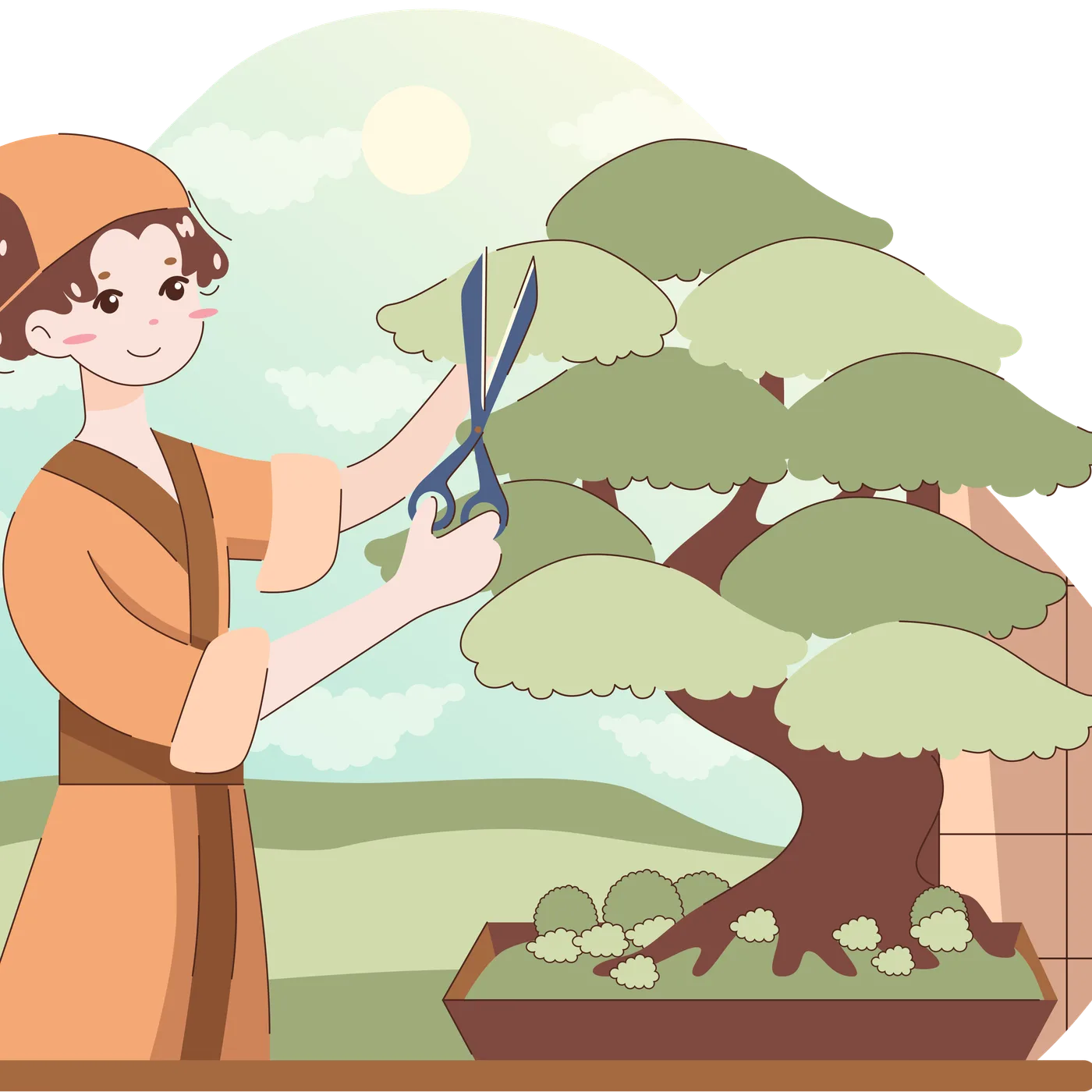
The Bonsai Advantage: A Practice Beyond Aesthetic
In boardrooms and digital dashboards alike, today’s executive landscape is marked by volatility, complexity and rapid decision-making. In such environments, leadership clarity depends not just on strategy, but on inner equilibrium. One ancient yet powerful ally in this pursuit is bonsai.
Rooted in centuries-old traditions from China and Japan, bonsai cultivation demands presence, observation and care. Yet it is far more than horticulture. Practised mindfully, bonsai becomes a mirror, reflecting not only nature’s rhythms, but also our own internal patterns of thought, reaction and intention.
Mindfulness Practices through Bonsai Care
The deliberate, attentive rituals embedded in bonsai offer executives a tangible route to mindfulness. Whether pruning, watering, wiring or simply observing seasonal change, each task calls for full engagement.
- Anchor attention: unlike digital stimuli, bonsai rewards patience and presence.
- Slow the nervous system: tending to a tree’s needs engages the parasympathetic response.
- Strengthen observation: subtle changes in leaf colour or root health teach pattern recognition.
- Build strategic foresight: decisions made today shape a tree’s growth in five years, echoing long-term thinking in business.
At Mă-Kè Bonsai, we see these practices not just as aesthetic exercises, but as leadership disciplines. Executives from finance, sustainability and technology have adopted bonsai not as a hobby, but as a strategic personal ritual—one that fosters clear thinking under pressure and deeper ecological intelligence.
Strategic Outcomes for Leaders
Through over three decades of working with bonsai, I have witnessed a transformation in those who commit to its mastery.
- Increased tolerance for ambiguity and complexity
- Improved executive focus and intuitive decision-making
- Stronger connection with natural systems and sustainable thinking
When executives incorporate bonsai into leadership routines, whether through short reflective sessions or seasonal care cycles, they are not just managing trees; they are managing internal states. In a world where clarity is currency, this inner calm is not a luxury, but a strategic necessity.
Cultivating Leadership through Bonsai Mastery
Bonsai is not simply a contemplative act. It is a daily discipline—one that invites you to engage in long-term design, iterative adaptation and resilient stewardship. These are precisely the qualities needed in regenerative leadership today.
By cultivating inner calm through bonsai care, leaders find a space where strategy meets stillness, and decisions emerge not from noise, but from knowing.

Written by
Mark D’Cruz
Regenerative systems consultant, technology educator and bonsai master, connecting ecological wisdom with practical strategy.